

Neurofeedback therapy helps your brain learn healthier patterns through real-time feedback and training.
Neurofeedback is built on decades of research in brain activity, learning, and neuroplasticity.
It is non-invasive, personalized, and designed to support long-term regulation through consistent training.
qEEG brain mapping and neurofeedback technology
an alternative to pharmacuticals
or traditional DSM
Rather than relying solely on observation or symptom suppression,
advanced qEEG brain mapping and neurofeedback technology use measurable brain activity to guide personalized training.

Powered by advanced data-informed technology designed to personalize training to each brain.


How it Works
Your brain learns through feedback. You balance after being unbalanced, change your work habits with feedback from your peers, but there is no way for the brain to learn directly that a wave pattern is detrimental and to not use it. This is where neurofeedback comes in.
Your brain learns through feedback. You balance after being unbalanced, change your work habits with feedback from your peers, but there is no way for the brain to learn directly that a wave pattern is detrimental and to not use it. This is where neurofeedback comes in.
Neurofeedback therapy helps your brain learn healthier patterns through real-time feedback and training.
Neurofeedback therapy helps your brain learn healthier patterns through real-time feedback and training.
qEEG brain mapping and neurofeedback technology
an alternative to pharmacuticals
or traditional DSM
Your brain produces electrical activity that can be measured using EEG and represented as brain waves.
These brain waves form patterns associated with different states—like focus, sleep, relaxation, or anxiety.
Your brain produces electrical activity that can be measured using EEG and represented as brain waves.
These brain waves form patterns associated with different states—like focus, sleep, relaxation, or anxiety.
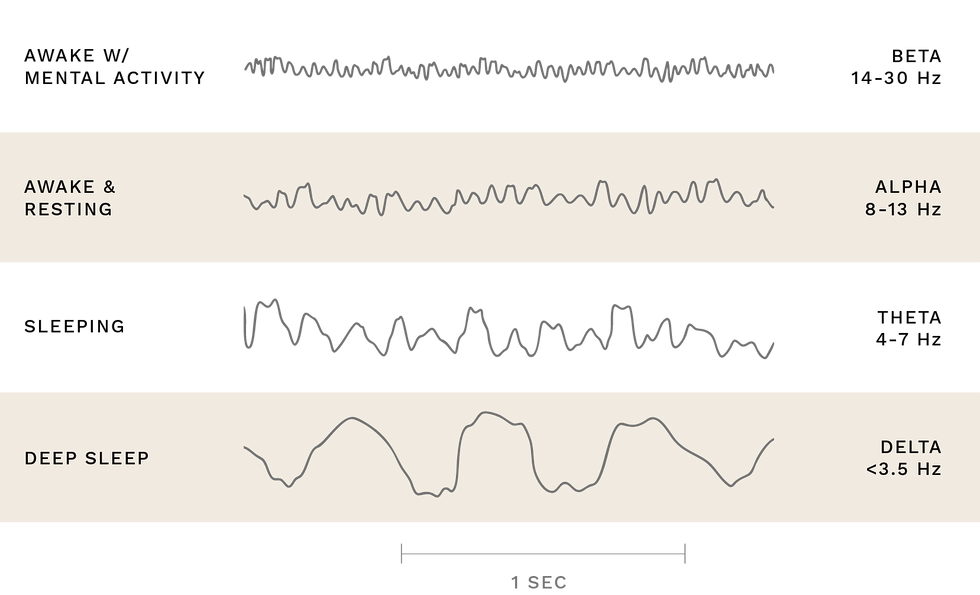
Because of neuroplasticity, neural pathways can strengthen or weaken over time. Through repetition and feedback, the brain can learn healthier patterns.
Neurofeedback is built on decades of research in brain activity, learning, and neuroplasticity.
It is non-invasive, personalized, and designed to support long-term regulation through consistent training.

During a session, your brain activity is measured in real time and paired with feedback.
When your brain moves toward a target pattern, those neural pathways are reinforced.

How it Works
Your brain learns through feedback. You balance after being unbalanced, change your work habits with feedback from your peers, but there is no way for the brain to learn directly that a wave pattern is detrimental and to not use it. This is where neurofeedback comes in.
Your brain learns through feedback. You balance after being unbalanced, change your work habits with feedback from your peers, but there is no way for the brain to learn directly that a wave pattern is detrimental and to not use it. This is where neurofeedback comes in.
Your brain is already learning. Neurofeedback helps it learn in a healthier direction.
Your brain produces electrical activity that can be measured using EEG and represented as brain waves.
These brain waves form patterns associated with different mental states—such as focus, relaxation, sleep, or heightened anxiety. Researchers have identified patterns commonly linked to challenges like ADHD, anxiety, insomnia, and migraines, as well as high-performance states.
Your brain produces electrical activity that can be measured using EEG and represented as brain waves.
These brain waves form patterns that are associated with different mental states—such as focus, relaxation, sleep, or heightened anxiety. Researchers have identified patterns that are commonly seen in conditions like ADHD, anxiety, insomnia, and migraines, as well as in high-performing, focused states.
Neurofeedback works by training your brain toward more desirable patterns. During a session, your brain activity is measured in real time and paired with visual or auditory feedback. When your brain moves toward a target pattern, those neural pathways are reinforced.
Over time, this process helps strengthen more efficient brain wave patterns and reduce those that may be contributing to symptoms.
Because of neuroplasticity, your brain can change.
Neuroplasticity is the brain’s natural ability to form, strengthen, and reshape neural pathways over time.
Neurofeedback works by using that ability intentionally.
During a session, your brain activity is measured in real time and paired with visual or auditory feedback. When your brain moves toward a more desirable target pattern, those neural pathways are reinforced.
Through repetition, feedback, and training, your brain can strengthen healthier patterns over time.
This process helps improve regulation, support performance, and reduce patterns that may be contributing to symptoms.
Powered by advanced data-informed technology designed to personalize training to each brain.
How it Works
Your brain learns through feedback. You balance after being unbalanced, change your work habits with feedback from your peers, but there is no way for the brain to learn directly that a wave pattern is detrimental and to not use it. This is where neurofeedback comes in.
Your brain learns through feedback. You balance after being unbalanced, change your work habits with feedback from your peers, but there is no way for the brain to learn directly that a wave pattern is detrimental and to not use it. This is where neurofeedback comes in.
In a culture focused on quick fixes, this process works with how real change actually happens: through feedback, repetition, and training.
How it Works
Your brain learns through feedback. You balance after being unbalanced, change your work habits with feedback from your peers, but there is no way for the brain to learn directly that a wave pattern is detrimental and to not use it. This is where neurofeedback comes in.
Your brain learns through feedback. You balance after being unbalanced, change your work habits with feedback from your peers, but there is no way for the brain to learn directly that a wave pattern is detrimental and to not use it. This is where neurofeedback comes in.


Neurofeedback has been studied for several decades as a non-invasive way to support brain regulation.
Many clients report improvements in areas like attention, anxiety, sleep, and emotional regulation. It is commonly used as a complementary approach alongside therapy and other forms of care.
At the same time, neurofeedback is not a quick fix. Results build gradually through consistent training, and outcomes can vary from person to person.
What makes this approach meaningful for many people is that it focuses on helping the brain learn—rather than relying solely on managing symptoms.
Your brain is constantly adapting based on the information it receives.
Neurofeedback creates a real-time feedback loop:
Your brain is constantly adapting based on the information it receives.
Neurofeedback creates a real-time feedback loop:
-
Your brain activity is measured
-
That activity is translated into visual or auditory signals
-
Your brain responds to that feedback
When your brain produces activity closer to a target pattern, it receives positive feedback. Over time, this reinforces those patterns and makes them more likely to occur.
This process is similar to how we learn any skill—through repetition, feedback, and gradual improvement.
How it Works
Your brain learns through feedback. You balance after being unbalanced, change your work habits with feedback from your peers, but there is no way for the brain to learn directly that a wave pattern is detrimental and to not use it. This is where neurofeedback comes in.
Your brain learns through feedback. You balance after being unbalanced, change your work habits with feedback from your peers, but there is no way for the brain to learn directly that a wave pattern is detrimental and to not use it. This is where neurofeedback comes in.
Your brain is constantly adapting based on the information it receives.
Neurofeedback creates a real-time feedback loop:

Emotional Regulation

Sleep

Anxiety

Attention
Roswell
10882 Crabapple Road
Roswell, GA 30075
(678) 325-4327

Neurofeedback has been studied for several decades as a non-invasive way to support brain regulation.
Many clients report improvements in areas like attention, anxiety, sleep, and emotional regulation. It is commonly used as a complementary approach alongside therapy and other forms of care.
At the same time, neurofeedback is not a quick fix. Results build gradually through consistent training, and outcomes can vary from person to person.
What makes this approach effective for many people is that it focuses on helping the brain learn—rather than relying solely on managing symptoms.

Your brain is constantly adapting based on the information it receives.
Neurofeedback creates a real-time feedback loop:
-
Your brain activity is measured
-
That activity is translated into visual or auditory signals
-
Your brain responds to that feedback
When your brain produces activity closer to a target pattern, it receives positive feedback. Over time, this reinforces those patterns and makes them more likely to occur.
This process is similar to how we learn any skill—through repetition, feedback, and gradual improvement.
Neurofeedback therapy helps your brain learn healthier patterns through real-time feedback and training.

How it Works
Your brain learns through feedback. You balance after being unbalanced, change your work habits with feedback from your peers, but there is no way for the brain to learn directly that a wave pattern is detrimental and to not use it. This is where neurofeedback comes in.
Your brain learns through feedback. You balance after being unbalanced, change your work habits with feedback from your peers, but there is no way for the brain to learn directly that a wave pattern is detrimental and to not use it. This is where neurofeedback comes in.
Neurofeedback can support a range of challenges related to brain regulation, including:
Migraines
Sleep difficulties
Trauma and emotional dysregulation
OCD
ADHD
Depression
Anxiety
It is especially helpful for individuals who feel like previous approaches haven’t fully addressed the root of what they’re experiencing.
How it Works
Your brain learns through feedback. You balance after being unbalanced, change your work habits with feedback from your peers, but there is no way for the brain to learn directly that a wave pattern is detrimental and to not use it. This is where neurofeedback comes in.
Your brain learns through feedback. You balance after being unbalanced, change your work habits with feedback from your peers, but there is no way for the brain to learn directly that a wave pattern is detrimental and to not use it. This is where neurofeedback comes in.
Sessions are comfortable and non-invasive.
Sensors are placed on the scalp to measure brain activity. You’ll sit and watch a screen or listen to audio while your brain receives real-time feedback.
There is nothing you need to consciously control—your brain does the work automatically as it responds to the feedback.
Over time, sessions build on each other as your brain learns and strengthens new patterns.


Every brain is different.
Before beginning neurofeedback, we start with qEEG brain mapping to better understand your unique brain activity and guide a personalized training plan.

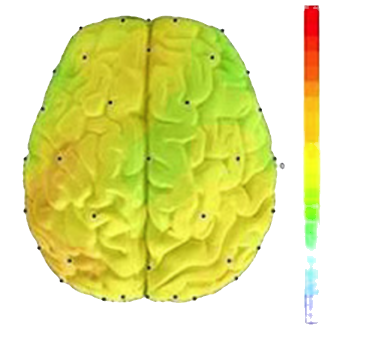
We offer neurofeedback therapy as an alternative to pharmaceuticals and DSM.
Nuerofeedback therapy is more in line with how things work in the brain.
It takes advantage of your brains plastic ability. It helps along neuroplasticity.
In a society focused on the quick fix neurofeedback is more aligned with the reality of how things work in the brain. Things are learned with repetition and over time.
Neurofeedback is an alternative to pharmaceuticals and DSM, and
Unbiased, measured brain activity
Minimize your dependence on pharmaceuticals
Every brain is different.
Before beginning neurofeedback, we start with qEEG brain mapping to better understand your unique brain activity and guide a personalized training plan.
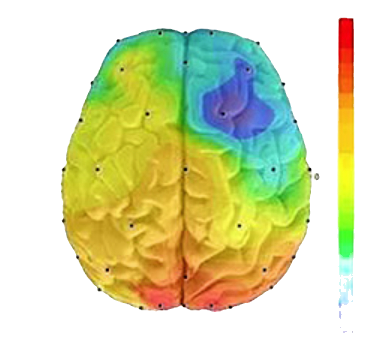

Site Title
MENU
HOURS
9AM - 5PM EST
OFFICES
Atlanta
5180 Roswell Road
Atlanta, GA 30342
(678) 325-4327
Roswell
10882 Crabapple Road
Roswell, GA 30075
(678) 325-4327
© 2026 Atlanta Neurofeedback Center



qEEG brain mapping and neurofeedback technology
an alternative to pharmacuticals
or traditional DSM
How Neurofeedback Works
Your brain produces electrical activity that can be measured using EEG and represented as brain waves.
These brain waves form patterns associated with different states—like focus, sleep, relaxation, or anxiety.
During a session, your brain activity is measured in real time and paired with feedback.
When your brain moves toward a target pattern, those neural pathways are reinforced.
Because of neuroplasticity, neural pathways can strengthen or weaken over time. Through repetition and feedback, the brain can learn healthier patterns.
Add a Title
Neurofeedback is built on decades of research in brain activity, learning, and neuroplasticity.
It is non-invasive, personalized, and designed to support long-term regulation through consistent training.